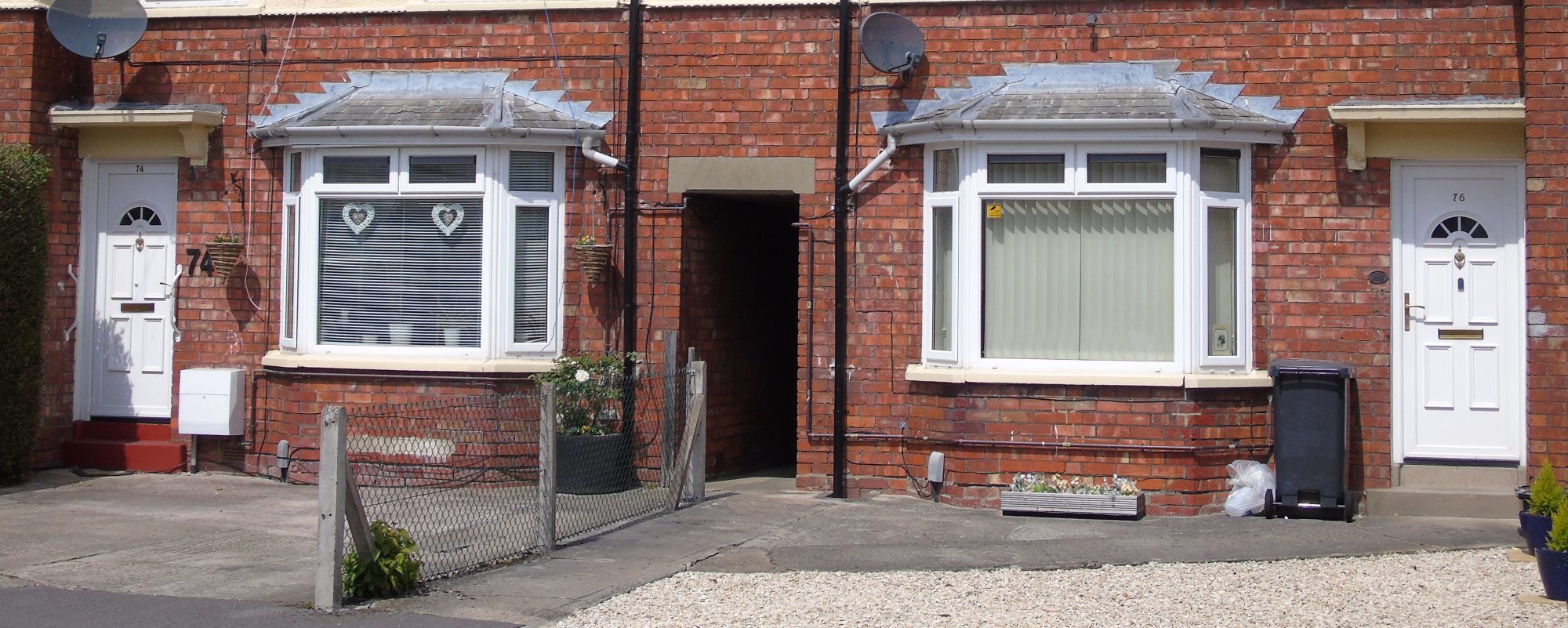
David Hide reports on the difference between homes for social and affordable rent and the impact it has on residents in Horsham: why we need to insist on the inclusion of Homes for Social Rent in all Planning Applications
Prior to Horsham District Council transferring its stock of council housing to the registered social landlord, Saxon Weald in 2000, HDC managed its council housing stock, collected rents, undertook repairs and was responsible for building new homes – it may well even have built them as many councils had a DLO – direct labour organisation, which did this.
The tenants paid rent directly to HDC, set at a level now often described as social rent. Following the stock transfer that took place in Horsham in 2000 and changes in legislation in 2010, the vast majority of ‘ affordable’ homes for rent built across the district are let at affordable rents. Recent examples here in Forest include the flats and houses on Elm Grove and New Street, both of which are owned by Saxon Weald. The new build homes replaced homes for Social Rent which stood on the sites but were demolished to make way for these new developments. The new homes are let with the considerably more expensive tenure of Affordable Rent.
HDC maintains statutory responsibilities for homelessness and a housing register of all residents seeking an ‘affordable home’.
The following definitions of social and affordable rents are taken from a government website.
Social Rent
Set through the National Rent Regime in England at around 50% of market rents, Social Rent homes are for people on low incomes.
The majority of affordable housing is owned and managed by registered providers (RP) that receive funding from Homes England or the Greater London Authority. There are three main types of RPs: not- for-profit RPs (known as Housing Associations), for- profit RPs and local authorities. The activities of RPs are overseen by the Regulator of Social Housing.
Affordable Rent
Homes let at least 20% below local market rents (affordable rental properties) or let at rates set between market rents and social rents (intermediate rental properties).
The market rent or market value refers to the cost of housing either for rent or for sale in the private sector. Calculating market costs takes into account the property size, type and location.
Figures obtained from the UK Parliament House of Commons Library, covering the years 2014-15 to 2023-24 reveal that over the last decade Horsham has seen the delivery of just 3 homes for social rent.

Table 1: House of Commons Library Affordable Housing by Type for Horsham District
The Cost of Living in a Three-Bedroom Home in Horsham
To illustrate the impact on residents within Forest and the wider district I have put together a table with the key figures that illustrate why, for so many, ‘Affordable Rents’ in a district where house prices are some of the most expensive across the country and where private rents continue to increase, are, in fact, unaffordable and simply push individuals and families deeper into poverty.
The table clearly shows why we need to work with HDC, RSLs and developers to change this broken model. There is now more money coming from central government, with £39 billion being made available over 10 years, for social and affordable housing. The tide is turning away from affordable rents, and, for the sake of our communities, we need to encourage our elected politicians to find a way of securing more funding for Horsham and to use existing reserves obtained from Section 106 agreements to invest in Homes for Social Rent.
One further challenge facing Horsham District Council is a lack of a housing revenue account and so the council cannot bid directly for money from Homes England. Their housing revenue account was closed when the council house stock was transferred to Saxon Weald. This though, does not prevent the council from working with housing associations to access funds for Horsham to build the desperately needed homes for social rent. This surely must now take place.
All figures used, are taken from the public domain and to prevent overload I am using the example of a three bedroom property only – the figures in respect of affordability don’t add up for any property size, but for simplicity I am focussing on just one.
If you would like more detail I can send you all of the links.
| Av price 3 bed in Horsham | Av wage in Horsham | Xs Income required to purchase 3 bed | Private rent for a 3 bed | Affordable rent for a 3 bed | Social rent for a 3 bed | Local Housing Allowance | Shortfall in LHA coverage of Affordable Rent | Shortfall Social Rent |
| ££517 000 | £34 000 | 15 | £1800 | £1440 | £900 | £1096 | -£344 | + £196 |
Table 2 Details of cost of housing and incomes streams for Horsham
Final thoughts
Table 1 clearly shows that we have built close to zero homes for social rent over the last decade with a small uptick in the last year that data is available. I believe that this uptick may read across to the 2024/25 data when it is made available.
We have also seen a reduction in the overall numbers of affordable housing. This in part plays to the argument made by some of the public visitors at this month’s meeting who identified that large developments are currently not being built out as expected. The number of affordable builds is very often directly related to the overall number of homes being completed across the district.
The conclusion here, based on the sticky nature of the housing market and the fact that private developers are clearly less keen to offer homes for social rent, is that, to start building this tenure we need public subsidy. Saying that it is more difficult to deliver is not the answer, we must find a way to deliver these homes in sufficient quantity to start addressing the chronic need within Forest and beyond for truly affordable homes. Councils right across the country are managing to find solutions and meeting the need for genuinely affordable social rent homes so it is difficult to understand why HDC can not do likewise.
When looking at the cost of purchase, private rent or, indeed, affordable rent of a three bedroom home in Horsham, we see that for many residents, buying or renting is beyond their household income.
The only route through for many would be a home based on the social rent model which is usually around 50% of market rent. Based on the figures contained within Table 2 someone on no or low income, in receipt of housing benefit will be able to afford a home for social rent as the local housing allowance for such a property is set at £1096.
Those on low or no income who are on the housing waiting list, will be excluded from any home being offered at an affordable rent as they simply could not afford to live, without falling heavily into debt. They can only afford to bid for the very few homes for social rent that come available.
This crisis of affordability is effecting all generations and only by increasing the supply of homes for social rent will we begin to tackle this crisis. This is why I believe we must include comments from the Neighbourhood Council to the developer for them to look again at the Holbrook Farm development and work with the council in order to include home for social rent and greatly reduce the number of affordable rents in their application.
Supporting information
- In July 2023 under a FOI HDC confirmed that it administered £14,739,236 in the preceding calendar year, in housing benefits to those in private and affordable renting sectors. This figure will have only increased.
- In 2024 Horsham District Foodbanks delivered 9,124 emergency food parcels, most of these went to individuals and families in work
- In the last 11 years HDC have approved just 3 homes for social rent
- Affordable rent is up to 80% of market rent
- Social rent is usually around 50% of market rent
- Local Housing allowance for Horsham is set at £1096 and does not cover the cost of renting either in the private sector or for an affordable home
- Young people are closer to homelessness than home ownership – Shelter September 2025
 Labour Campaign for Council Housing