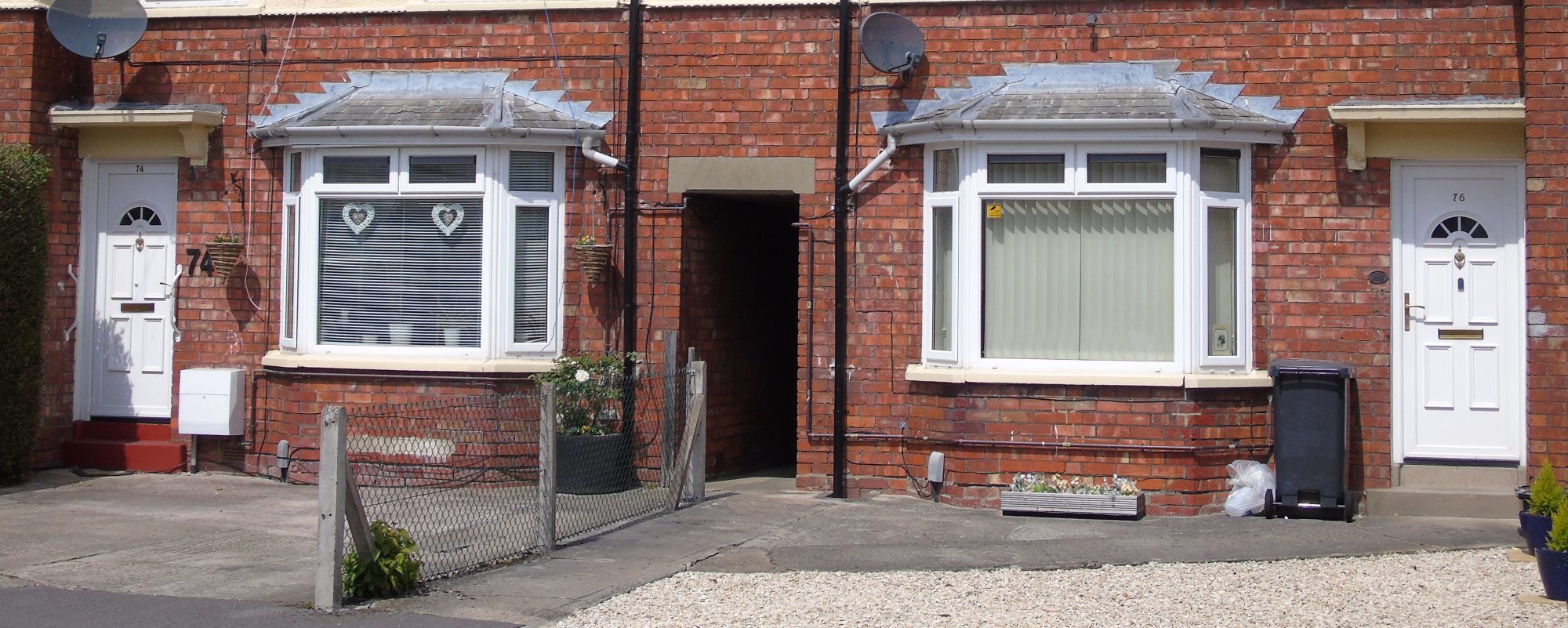
Over the last six years, of the number of additional council homes in England, 44% have been acquisitions – homes bought on the market. That includes a large number of ex-council homes, sold off under Right to Buy.
Why have they bought so many rather than new builds. It’s for a combination of reasons:
- It’s obviously far quicker to buy than build;
- Given the inflated prices that builders are charging, it’s cheaper;
- Even if capital works are required on an acquisition, so long as it is in good condition, it makes economic sense;
- If it is ex-council stock then it’s obviously on an existing council estate and logistically, from the point of view of future maintenance, it’s less travel time for staff.
In his recent book, Homesick, Peter Apps called for municipalisation as a means of quickly increasing council housing stock. There’s a history to this issue. Labour committed in the 1953 policy statement Challenge to Britain to the policy that local authorities should ‘gradually’ take over private rent-controlled homes, as it was ‘idle’ to expect landlords to improve their property. A resolution committing the party to municipalisation was carried at the 1954 conference. Following that the London County Council carried through a programme of buying up private rented homes.
The 1974 Labour Manifesto said that “we shall encourage the municipalisation of private rented housing (except where an owner-occupier shares a house with a tenant)”. Government housing grant including funding for it. The government funded some municipalisation. In the two years to April 1976, Apps says that 60,000 properties were bought on the open market. He observes that
“…the Labour Party of the 1970s responded not by tearing up planning rules in the hope that the private market would somehow ride to the rescue, as the current government plans to, but by expanding the state – buying up homes private builders were struggling to sell, building council housing and replacing private landlords with public ownership.”
There is an echo of this in London’s 2023 Council Homes Acquisitions Programme, which allows councils to bid for money to buy homes on the market, with a focus on those previously sold under Right to Buy. However, although it provides up to £200,000 grant for a social rent home, it also supports buying temporary accommodation with rents up to the Local Housing Allowance level1. Obviously council owned temporary accommodation is cheaper than the private sector though charging LHA rather than social rent simply adds to the benefit bill.
Whilst grant from the Social & Affordable Homes Programme 2026-36 can be used for buying ex-council homes, the government says it will be “a limited number of acquisitions” (what precisely this means is not known), the overall level of grant severely limits what councils can do – only 18,000 social rent homes a year. Even then they have to compete with housing associations for that funding. There is no grant specifically for council housing.
The idea of municipalisation conceived of the progressive replacement of the private sector. Given its scale today, five million in England, this is not on the cards. Councils will have even less money to buy given the decline in Right to Buy receipts which will be the result of the big cut in discount2. However, it doesn’t mean it can’t play an important role in increasing council housing stock. Ideally the grant funding from the SAHP should be available for councils to pay for acquisitions as they see fit, without restrictions. Of course, the current level of funding is grossly insufficient for what is needed.
Above is a video of Paul Watt talking about the experience of municipalisation in London in the 1960s and 70s. Municipalisation: Another tool against gentrification.
 Labour Campaign for Council Housing